20 Specific material and human biology terms terms
My name is Ariane, and I am a paramedic student. It is my second year in the Pre-hospital Emergency Care program. My glossary is useful for the paramedics because we have to know how to communicate well with our patients and colleagues. With these 20 words, you will be able to solve the problem of the language barrier. For each word, you can find the term in English, pronunciation, definition, translation, an example and if necessary, an image. I took the words on a list of terms related to my field of study and I found the information on the internet. I want you to consult this glossary and add it to your vocabulary to communicate well in your job.
ache
noun
A continuous or prolonged dull pain in a part of one’s body.
Example: I have a stomach ache.
en: mal
acidosis
noun
An excessively acid condition of the body fluids or tissues.
Example: One of the most common causes of metabolic acidosis is an overdose of aspirin.
en: acidose
airway
noun
The passage by which air reaches a person’s lungs.
Example: He kept the man's airway clear and blood circulating.
en: voies respiratoires
anaphylactic shock
noun
Exaggerated allergic reaction that can lead to death.
Example: The most common cause of an anaphylactic attack is a severe allergy to food.
en: choc anaphylactique
apnea
noun
Temporary cessation of breathing.
Example: All participants were healthy and did not have sleep apnea, restless legs syndrome, or use sleep medications.
en: apnée
cardiac arrest
noun
A sudden, sometimes temporary, cessation of function of the heart.
Example: She suffered a cardiac arrest for five minutes or so.
en: arrêt cardiaque
cervical collar
noun
A neck brace used to support a patient’s neck and head.
Example: We have to use a cervical collar to make sure his neck doesn't move.
en: collet cervical
combitube
noun
A blind insertion airway device used in the pre-hospital and emergency setting. It is designed to provide
an airway to facilitate the mechanical ventilation of a patient in respiratory distress.
Example: The Combitube was in place for approximately three hours and then removed uneventfully.
en: combitube
diaphoresis
noun
Sweating, esp. To an unusual degree as a symptom of disease or a side effect of a drug
Example: Then, as the body temperature falls, profound diaphoresis begins.
en: diaphorèse
edema
noun
A condition characterized by an excess of watery fluid collecting in the cavities or tissues of the body.
Example: This leads to edema and altered microcirculation in the skin, which results in impaired healing.
en: oedème
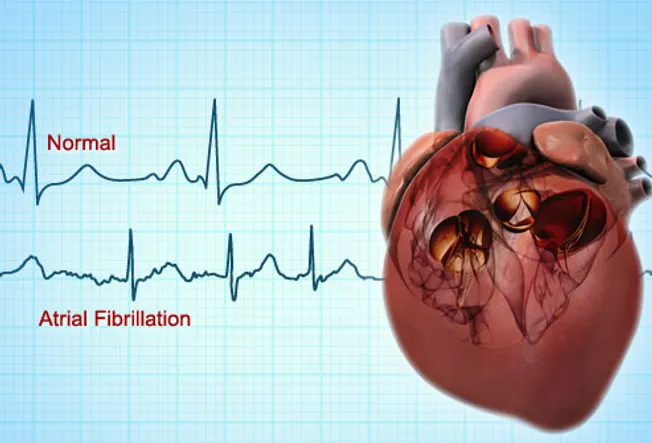
fibrillation
noun
Muscular twitching involving individual muscle fibers acting without coordination.
Example: I've had heart fibrillation, but they gave me an electric shock, and it went back to its right place.
en: fibrillation
hemorrhage
noun
An escape of blood from a ruptured blood vessel, esp. when profuse
Example: When she became terminally ill with a brain hemorrhage, she began showing signs of psychological disorientation.
en: hémorragie
hypothermia
noun
The condition of having an abnormally low body temperature, typically one that is dangerously low.
Example: Cold, wind and precipitation can make you mighty uncomfortable, not to mention put you at risk for hypothermia.
en: hypothermie
immobilizer mattress
noun
A device that completely immobilizes a person.
Example: We will use the immobilizer mattress to make sure the patient will not move at all.
en: matelas immobilisateur
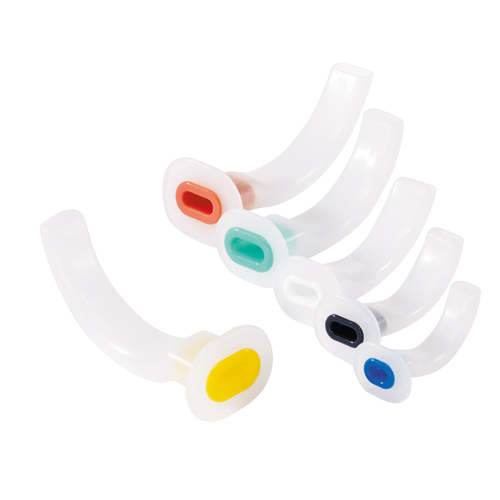
oropharyngeal cannula
noun
An object used to keep the respiratory tract open for an unconscious patient.
Example: We needed to use an oropharyngeal cannula to help the patient receiving oxygen.
en: canule oropharyngée
oxygen mask
noun
A device that provides a method to transfer breathing oxygen gas from a storage tank to the lungs. It
may cover the nose and mouth or the entire face.
Example: An oxygen mask was used to make sure the patient receives oxygen.
en: masque à oxygène
paralysis
noun
The loss of the ability to move (and sometimes to feel anything) in part or most of the body, typically as
a result of illness, poison, or injury.
Example: The paralysis or palsy may affect mainly the legs, or all four limbs, or just one side of the body.
en: paralysie
pocket mask
noun
A device used to safely deliver rescue breaths during a cardiac arrest or respiratory arrest.
Example: The pocket mask was very useful to help the patient in a cardiac arrest.
en: masque de poche
sphygmomanometer
noun
An instrument for measuring blood pressure and especially arterial blood pressure.
Example: All interviewees used a sphygmomanometer and stethoscope to measure blood pressure.
en: sphygmomanomètre
wheezing
adjective
A continuous whistling sound produced in the respiratory airways during breathing. For wheezes to
occur, some part of the respiratory tree must be narrowed or obstructed, or airflow velocity within the
respiratory tree must be heightened.
Example: This compensation is usually excellent, as most asthmatics hyperventilate during an episode of wheezing with dyspnea.